Plantar fascia is a common foot disease that creates a state of anguish and immense pain. It is presented to those with busy lifestyles, athletes, pregnant women, or constantly busy people. Unfortunately, people have ignored this condition and do not know about it. Treating the plantar fasciitis promptly and immediately is very important and requires a visit to the doctor. They help provide the patient with medicine, stretching exercises, and physical therapy to help cure this condition.
Causes and Treatments of Plantar Fasciitis
Plantar fasciitis occurs when the tissue connecting the heel and toes becomes inflamed. Multiple factors can cause this condition, such as frequently straining your feet, wearing unsupportive footwear, participating in high-pressure sports activities, having flat feet and tight calf muscles, being heavier in person, or standing for extended periods as part of your job. Identifying the underlying cause of the injury is essential so your doctor can prescribe the appropriate treatment.
Treatment For Plantar Fasciitis
Stretching Exercises
Stretching exercises are one standard treatment for plantar fasciitis. What the sufferer benefits from most is the strident support of arch-supportive footwear. This form of intervention is highly effective in alleviating pressure on the heel. Combined with these treatments, custom orthotics provide further intervention, correcting any underlying biomechanical issues contributing to the condition.
Physical Therapy
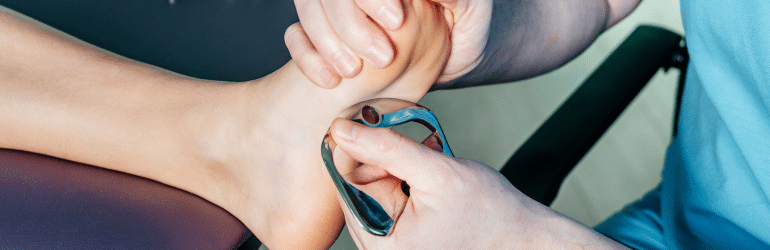
Physical therapy presents as an additional alternative with the high potential to alleviate plantar fasciitis. This form of treatment is significantly diverse and generally involves a physiotherapist. The initial step often taken is devising a treatment strategy committed to the patient based on specific exercises focusing on the heels and feet that can strengthen the area. Assisting with the flexion of the feet, the general improvement of the legs, and the correction of the joints, this regimen has helped people daily. Not much unlike massage therapy, physical therapy, and different exercises start when you inquire. Therefore, the level of treatment deviates too.
Conservative Treatments
In more severe cases of plantar fasciitis that do not respond to conservative treatments, other options, such as corticosteroid injections or shockwave therapy, may be considered. These interventions aim to reduce inflammation and promote healing in the affected tissue. However, consulting with a healthcare professional before pursuing these more invasive treatments is essential to ensure they are appropriate for your situation.
Final Thoughts
Plantar fasciitis can be debilitating, affecting your ability to move comfortably throughout the day. By understanding the causes and treatment options available, you can take proactive steps toward managing your symptoms and finding relief from pain. Whether through stretching exercises, supportive footwear, physical therapy, or more advanced interventions, there are plenty of ways to address plantar fasciitis and get back on your feet feeling strong and healthy again.