Plantar fasciitis is one of the most common causes of heel pain, affecting people of all ages and activity levels. It occurs when the thick band of tissue that runs along the bottom of your foot, known as the plantar fascia, becomes irritated or inflamed. This condition can make simple daily activities like walking, climbing stairs, or standing for long periods uncomfortable. Fortunately, most people recover well with the correct diagnosis and treatment plan.

Understanding the Symptoms
The most noticeable sign of plantar fasciitis is sharp heel pain, especially first thing in the morning or after prolonged rest periods. The discomfort often eases as you move around, but can return after extended activity. Other symptoms may include:
- Stiffness in the heel or arch
- Pain that increases after exercise rather than during it
- Tenderness when pressing on the heel
How Plantar Fasciitis is Diagnosed
A healthcare provider will begin by reviewing your symptoms and medical history. A physical examination typically follows, focusing on pain, foot mechanics, and range of motion. Imaging tests, such as X-rays or ultrasounds, may be ordered to rule out other causes of heel pain, like stress fractures or arthritis.
Treatment Options for Plantar Fasciitis
Treatment usually starts with conservative methods to reduce inflammation and improve foot function. Common approaches include:
- Rest and activity modification: Limiting high-impact activities that strain the plantar fascia.
- Ice therapy: Applying ice packs to the heel to reduce swelling and pain.
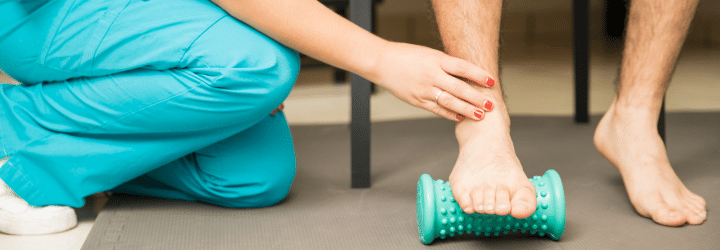
- Stretching and strengthening exercises: Targeting the calf muscles and plantar fascia to improve flexibility and support.
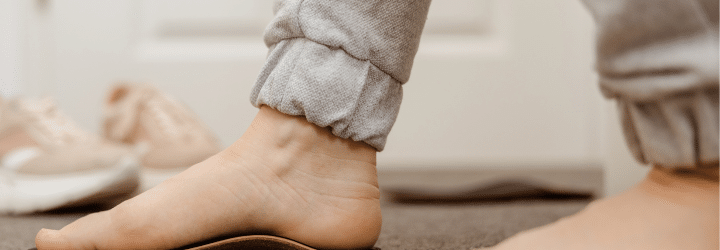
- Supportive footwear or orthotics: Providing additional cushioning and correcting foot alignment.
- Physical therapy: Guided treatments that improve biomechanics, reduce pain, and prevent recurrence.
Reference:britannica.com/science/biomechanics-science
In cases where symptoms persist, additional options such as night splints, injections, or other medical interventions may be considered. Surgery is rare and typically reserved for severe cases that do not respond to different treatments.
Preventing Plantar Fasciitis
Prevention is possible with the proper habits. Wearing supportive shoes, maintaining a healthy weight, and gradually increasing the intensity of physical activity can reduce your risk. Regular calf and plantar fascia stretching is vital in keeping the tissue flexible.
When to Seek Professional Help
If heel pain persists for over a few weeks despite self-care measures, it is essential to consult a healthcare provider. Early diagnosis and treatment can shorten recovery time and lower the risk of chronic problems.
Schedule an appointment with Great Moves Physical Therapy.