Whether you’re a weekend warrior or a competitive athlete, recovery plays a crucial role in staying active and injury-free. Proper recovery helps the body rebuild after intense training sessions and prepares it for future performance. At Great Moves Physical Therapy, we focus on time-tested athlete physical therapy recovery techniques that support healing, reduce downtime, and improve overall physical well-being.
1. Active Recovery
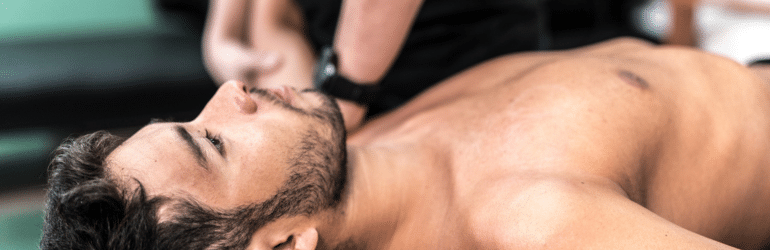
Active recovery involves low-intensity movement after a workout to keep blood flowing and muscles limber. Activities like walking, swimming, or cycling at a relaxed pace can help reduce soreness and prevent stiffness. Incorporating these routines between high-intensity sessions encourages better circulation and supports the body’s natural healing process.
2. Manual Therapy
Hands-on techniques, including soft tissue mobilization and joint manipulation, are commonly used to relieve muscle tension, improve mobility, and address biomechanical imbalances. Licensed physical therapists use these techniques to address specific concerns and help athletes regain full function more quickly after injury.
Reference: merriam-webster.com/dictionary/biomechanics

3. Stretching and Mobility Work
Improving flexibility and joint mobility is vital for athletes at any level. Static and dynamic stretching routines are often included in physical therapy programs to support muscle balance, reduce the risk of injury, and maintain proper alignment during movement. Mobility exercises also help prepare the body for physical activity and support long-term performance.
4. Dry Needling
Dry needling is a technique that targets trigger points within muscles to reduce pain and improve range of motion. It can be particularly helpful for chronic muscle tightness or lingering soreness that doesn’t respond to stretching or massage alone. Performed by trained professionals, dry needling supports the recovery process and helps athletes return to activity with fewer restrictions.
5. Cold and Heat Therapy
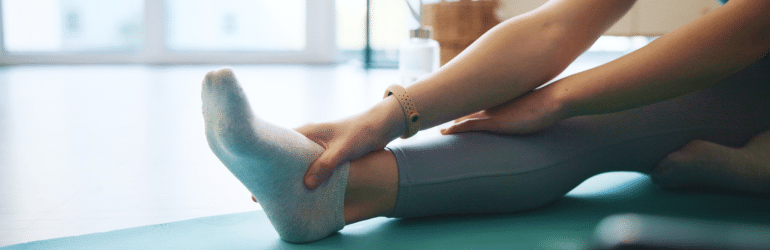
Alternating between ice and heat can relieve muscle discomfort and support tissue repair. Cold therapy helps control inflammation, while heat promotes relaxation and circulation. Your physical therapist may recommend these therapies based on the timing and nature of your injury or soreness.
6. Nutrition and Hydration Guidance
What you eat and drink plays a role in how your body heals. Recovery-focused physical therapy often includes recommendations for staying hydrated and consuming enough protein, vitamins, and minerals to aid muscle repair. Simple changes to your diet can have a noticeable impact on how quickly you recover.
7. Individualized Exercise Plans
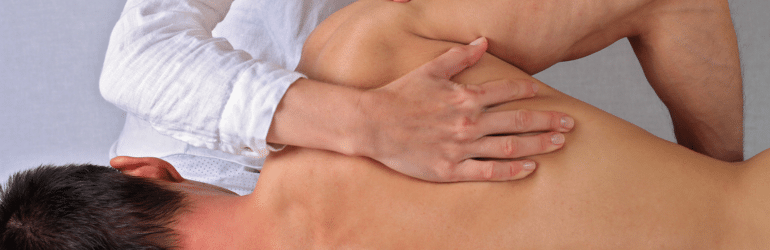
Recovery isn’t one-size-fits-all. At Great Moves, we assess each athlete’s condition and goals to build structured exercise plans focused on regaining strength, improving balance, and supporting overall function. Whether you’re recovering from a sprain or preparing for your next event, a consistent and targeted plan makes a big difference.
Get Back in Motion with Great Moves
If you’re dealing with an injury or want to stay ahead of one, our experienced physical therapists can guide you through every stage of athlete physical therapy recovery. Contact Great Moves to schedule an appointment and take the next step toward lasting results.