Stroke is one of the leading causes of long-term disability in the United States. While every stroke survivor’s journey is different, many experience challenges with movement, coordination, and daily activities. Physical therapy in stroke rehabilitation. plays a vital role in helping individuals recover strength and improve mobility after a stroke.

Why Physical Therapy Matters After a Stroke
A stroke can impact the brain’s ability to send signals to the muscles. This may result in weakness, paralysis, poor balance, or difficulty walking. Physical therapy focuses on retraining the body through guided exercises and movement techniques that support recovery.
Starting physical therapy as early as possible after a stroke can help prevent complications like joint stiffness, muscle loss, and poor circulation. Therapists work alongside physicians and other rehabilitation professionals to help each patient regain function at a pace that’s safe and achievable.
What to Expect from Stroke Rehabilitation
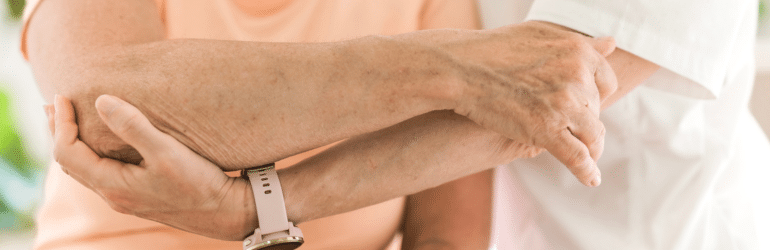
Physical therapists begin by assessing a patient’s current abilities and identifying areas that need attention. This includes evaluating:
- Range of motion
- Muscle strength
- Balance and coordination
- Walking and transfers (e.g., getting out of bed or up from a chair)
- Posture and positioning
Treatment plans are designed based on individual goals and may involve a combination of the following:
- Gait training: Practicing safe walking techniques using assistive devices if needed.
- Strength exercises: Working to rebuild muscle control and prevent atrophy.
- Balance work: Improving stability to reduce fall risk.
- Functional training: Practicing real-life tasks such as standing up, turning, and walking stairs.
Repetition and consistency are key in stroke rehabilitation. Over time, these movements help the brain form new connections, a process known as neuroplasticity that supports improved function.
Reference: merriam-webster.com/dictionary/stroke
Support Beyond the Clinic
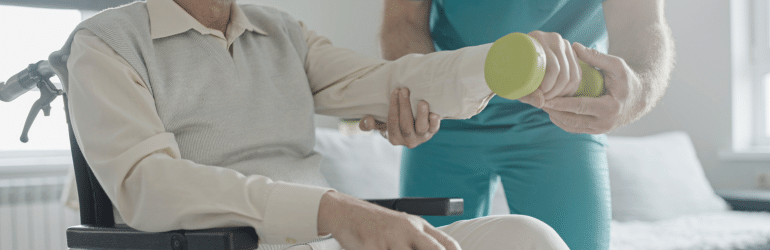
In addition to in-clinic sessions, patients are often given home exercises to continue progress between visits. Physical therapists also provide education for family members and caregivers so they can support recovery in daily life.
By focusing on mobility, safety, and independence, physical therapy is a central part of stroke recovery. Many patients report improvements not only in physical function but in confidence and overall quality of life.
Ready to Take the First Step?
At Great Moves Physical Therapy, our team works with stroke survivors at all stages of recovery. Whether you’re newly discharged or several months into your journey, we’re here to help you move forward. Contact us to schedule an evaluation and start building your recovery plan for physical therapy in stroke rehabilitation.