Low back pain is one of the most common reasons people seek medical care. Whether it stems from poor posture, overuse, injury, or a chronic condition, the discomfort can interfere with daily life. Fortunately, physical therapy offers effective ways to manage and reduce this pain.
Common Causes of Low Back Pain
Low back pain can result from a wide range of factors, including:
- Muscle strain or ligament sprain
- Herniated or bulging discs
- Poor posture or prolonged sitting
- Spinal stenosis
- Arthritis
- Weak core muscles
Understanding the root cause is key to managing symptoms properly. A physical therapist will assess your condition and create a plan based on your needs and goals.
How Can Physical Therapy Help Manage Lower Back Pain?
Physical therapy focuses on helping the body move better and heal over time. For low back pain, this typically includes:
1. Manual Therapy
Hands-on techniques such as joint mobilizations or soft tissue work help reduce pain, improve circulation, and relax tight muscles.
Reference: merriam-webster.com/dictionary/mobilized

2. Strengthening Exercises
Targeted exercises are used to build strength in the core, hips, and back. Stronger muscles provide better support to the spine, reducing pressure and improving stability.
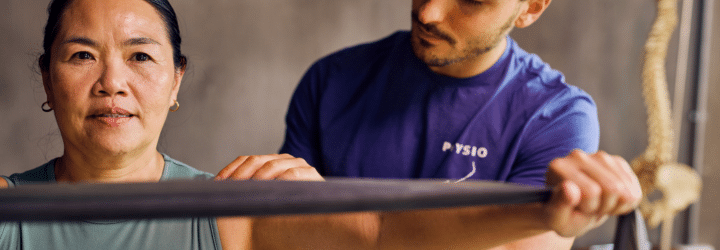
3. Stretching and Mobility Work
Tight muscles often contribute to low back pain. Stretching programs help relieve tension and improve range of motion.

4. Postural Training
Therapists teach patients how to improve sitting, standing, and lifting habits to prevent future strain.

5. Education and Prevention
Learning how to manage daily activities, use proper body mechanics, and recognize early warning signs can help prevent flare-ups.
What to Expect During Your Appointment
During your first visit, the physical therapist will review your medical history, ask about your symptoms, and perform a physical exam. From there, a personalized program is developed. This might include in-clinic treatments as well as exercises to perform at home.
Most patients begin to notice improvements within a few weeks. Consistency is important, committing to the plan and communicating openly with your therapist can lead to better results.
Final Thoughts
If low back pain is affecting your mobility or quality of life, physical therapy can help you move forward with less discomfort. Contact Great Moves Physical Therapy to schedule your consultation and take the first step toward lasting relief.